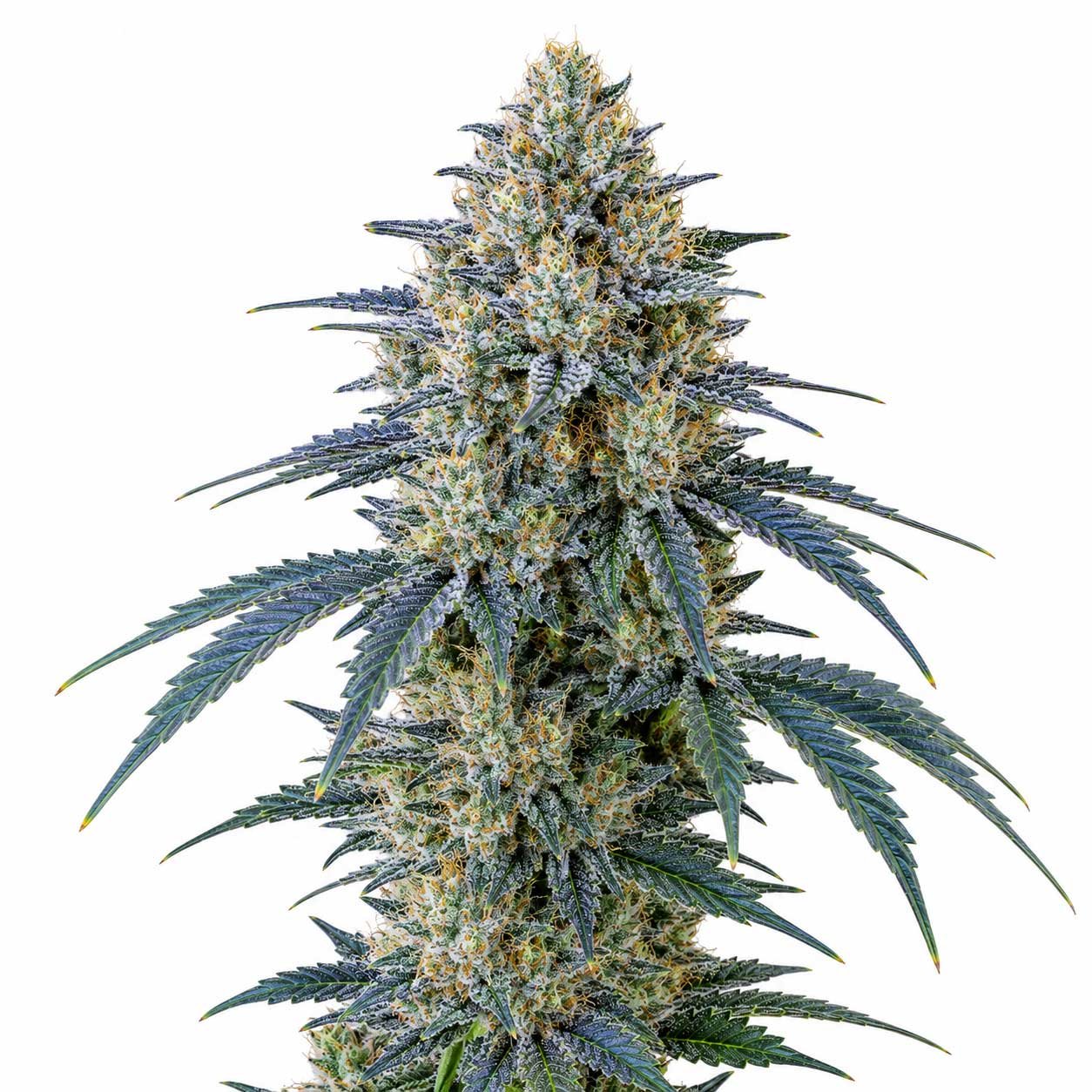
Blue Dream (Cannabis Strain)
Blue Dream Strain
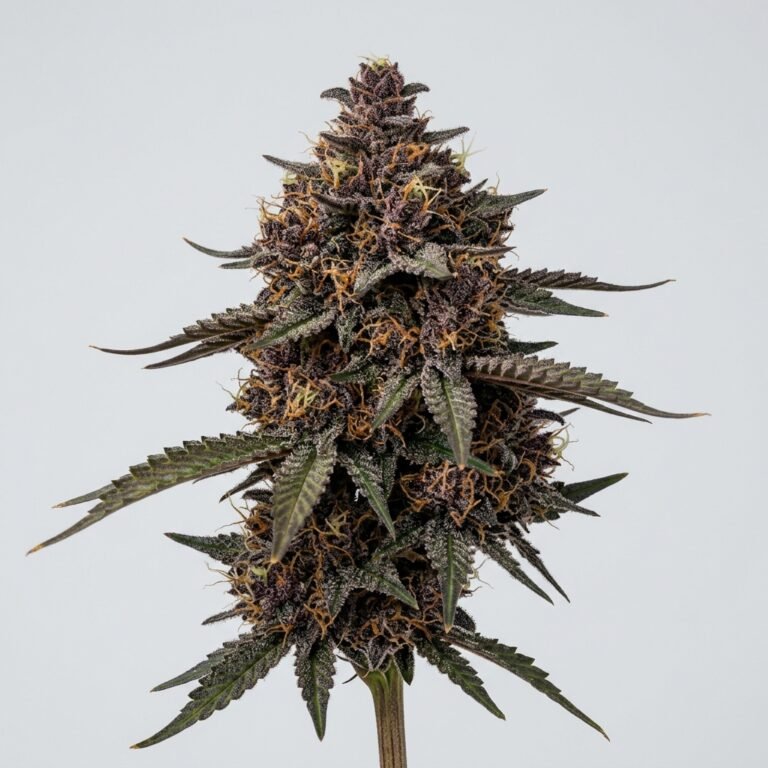
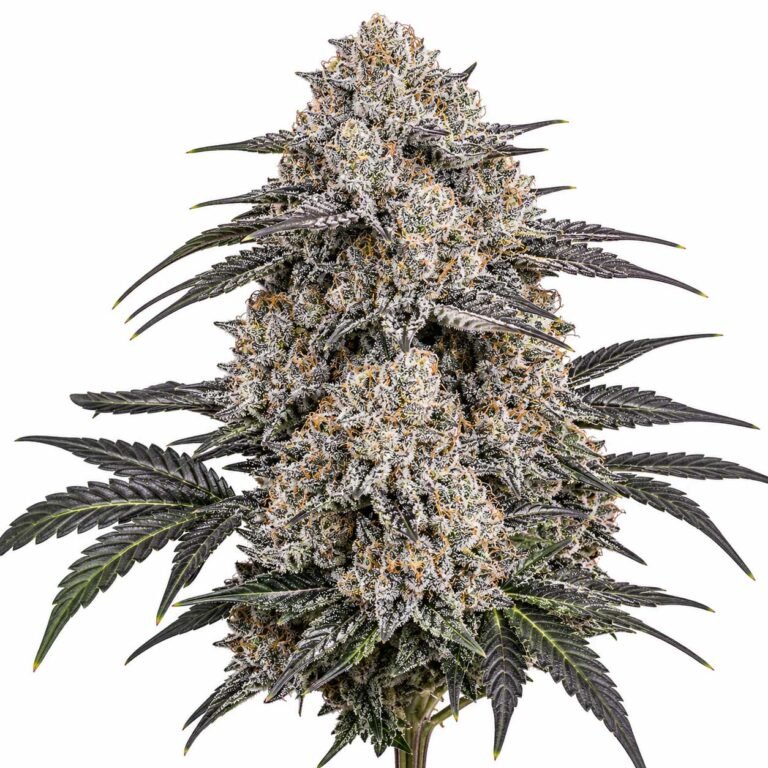
Blue Dream weed strain is a legendary, sativa-dominant hybrid cultivar typically reporting between 18% and 24% THC, originating from Santa Cruz, California, and commonly credited to breeder DJ Short (or select Santa Cruz artisanal cultivators) by crossing Blueberry with Haze. Renowned globally as a foundational standard in modern commercial cultivation, this cultivar produces large, elongated, and dense floral clusters coated in a frosty blanket of capitate-stalked glandular trichomes against bright lime-green foliage and fiery amber-orange pistils. Its reported aromatic profile delivers a sweet fusion of ripe blueberry compote, candied sugar, and fresh citrus zest, grounded by earthy pine, herbal tea, and subtle sandalwood spice. Cultivators report vigorous growth, high environmental adaptability, and substantial yield potential of terpene-rich flowers.
The genetic architecture combines the sweet berry aromatics, compact calyx formation, and soothing physical relaxation of DJ Short Blueberry with the soaring cerebral stimulation, strong apical growth, and complex herbal spice of classic Haze. In cultivation environments, plants exhibit vigorous vegetative growth and substantial vertical stretch during early bloom. Reported consumer experiences describe a swift onset of uplifting cerebral euphoria, creative motivation, and mental clarity that smoothly transitions into a functional, whole-body physical calm without heavy sedation.
Quick Facts
| Field | Details |
|---|---|
| Breeder / Contributor | DJ Short / Santa Cruz Artisanal Breeders |
| Genetics | Blueberry × Haze |
| Variety | Sativa-dominant Hybrid (approx. 60/40) |
| Reported THC Range | 18% – 24% |
| Reported Flowering Time | 9 – 10 weeks (63 – 70 days) |
| Yield Potential | High |
| Plant Height | Tall (approx. 130 – 180 cm) |
| Climate Preference | Mediterranean, warm, sunny, climate-controlled environments |
| Cultivation Complexity | Easy to Moderate |
Scientific & Botanical Overview
Morphologically, Blue Dream weed strain expresses classic sativa-dominant hybrid architecture, developing narrow-to-medium leaflets, extended internodal spacing, and strong lateral branching. In vegetative growth, the cultivar establishes an extensive, fibrous root network that readily absorbs heavy nutritional inputs. The canopy develops rapid apical growth, making early structural training effective for establishing an even distribution of primary floral sites.
During the flowering cycle, inflorescences develop into elongated, spear-shaped colas with a high calyx-to-leaf ratio. The floral bracts are generously blanketed in capitate-stalked glandular trichomes with bulbous resin heads. Foliage maintains a vibrant light green tone, occasionally revealing faint bluish-indigo highlights along the sugar leaves during late bloom when exposed to cooler nighttime conditions, framed by bright copper stigmas.
Because the cultivar produces substantial biomass and elongated floral clusters, maintaining adequate airflow and controlled humidity levels throughout late bloom is recommended to prevent localized microclimate moisture accumulation within the dense upper canopy.
Reported Effects & Consumer Observations
Commonly reported effects: Consumer observations describe an immediate onset of cerebral stimulation, characterized by mood elevation, mental clarity, and creative focus. As the initial head high levels out, reports note a smooth transition toward functional, full-body physical relaxation that eases muscular tightness without inducing heavy lethargy or sedation.
Contextual use-cases: Blue Dream weed strain is frequently selected for daytime, morning, and active social use. Users commonly choose it for creative projects, daytime tasks, social gatherings, or gentle outdoor recreation. At higher consumption levels, the soothing physical qualities become more prominent, facilitating relaxed evening downtime.
Note: Cannabinoid sensitivity and individual tolerance vary. Standard practice recommends conservative dosing when evaluating personal response to high-potency sativa-dominant hybrids.
Aroma & Flavors
Aroma: The aromatic profile opens with sweet blueberry jam, candied berries, and citrus peel, supported by underlying notes of fresh pine needles, herbal spice, and damp earth.
Flavor: The vapor and smoke profile delivers a distinct taste of sweet blue fruit, vanilla sugar, and herbal tea on the inhale, finishing on the exhale with smooth cedar pine, light spice, and subtle floral musk.
Associated Terpenes: Analytical profiles commonly identify myrcene, pinene, and caryophyllene as prominent constituents, with secondary contributions of limonene and linalool driving its signature sweet berry and herbal pine bouquet.
Reported Cannabinoid & Terpene Ranges
| Compound | Reported Range |
|---|---|
| Δ9-THC | 18.0% – 24.0% |
| CBD | < 1.0% |
| CBG | 0.5% – 1.4% |
| Myrcene | 0.4% – 1.0% |
| Pinene | 0.3% – 0.8% |
| Caryophyllene | 0.2% – 0.6% |
Analytical note: Cannabinoid concentrations and terpene ratios vary depending on specific phenotype selection, growing media, environmental parameters, nutritional inputs, and post-harvest drying and curing protocols.
Cultivar Observations & General Cultivation Guidelines
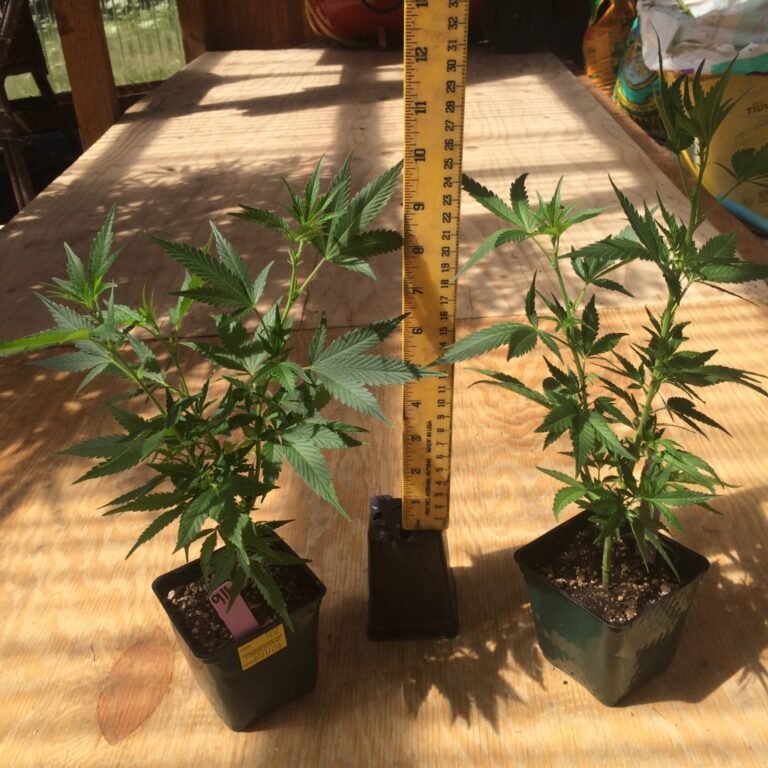
Cultivar-Specific Observations: Blue Dream exhibits strong vegetative vigor, substantial vertical expansion post-flip (often 80–120% stretch), and heavy cola formation. Its vigorous branch growth benefits from early structural support.
General Cultivation Protocols:
- Canopy Management: Standard horticultural techniques such as early topping at the 4th or 5th node and Screen of Green (SCROG) trellising are widely used to control vertical stretch and promote even canopy light distribution.
- Defoliation Practices: Strategic defoliation around day 21 and day 42 of the flowering cycle is commonly employed to remove lower non-productive growth and improve airflow through dense canopies.
- Humidity & Environment: Maintaining relative humidity around 55–60% during vegetative development and reducing levels to 40–45% during late bloom is standard practice to safeguard dense inflorescences from moisture entrapment.
- Harvest Timing: Determining harvest readiness is generally conducted by monitoring glandular trichome heads, with growers often targeting full milky opacity and a minor percentage of amber conversion depending on preferred maturity.
Cultivation Timeline Snapshot (General Guidance)
- Weeks 1–3 (Transition & Stretch): Post-flip vertical growth accelerates significantly. Standard practices include weaving lateral branches into support trellising and pruning lower interior growth.
- Weeks 4–6 (Inflorescence Development): Floral bracts stack along each terminal stem as glandular trichome coverage expands over calyxes and sugar leaves. Sweet berry and pine aromas become increasingly prominent.
- Weeks 7–10 (Ripening & Senescence): Colas swell to peak density. Standard protocols include tapering nutrient inputs with clean water flushes and monitoring trichome maturity across the upper canopy.
- Post-Harvest (Drying & Curing): Standard preservation protocols involve whole-plant hang drying in controlled darkness at approximately 60°F (15°C) and 60% relative humidity for 10–14 days, followed by a multi-week cure in sealed containers.
Genetic Lineage
Blue Dream was developed in Northern California through the hybridization of Blueberry and Haze. The maternal contributor, Blueberry (bred by DJ Short via an Afghani indica crossed with Thai and Oaxacan sativas), provides distinct berry fruit terpenes, anthocyanin expression, and physical relaxation qualities.
The paternal contributor, Haze (a multi-landrace cross of Colombian, Mexican, Thai, and South Indian sativas), contributes rapid vegetative vigor, tall branch architecture, high cerebral stimulation, and sharp herbal pine undertones, resulting in a balanced and enduring classic.
Scientific & Pharmacological Context
In phytochemical research, cultivars expressing elevated concentrations of alpha-pinene and beta-pinene alongside myrcene are studied for their distinct cognitive modulation. Pinene is investigated for its potential role in inhibiting acetylcholinesterase, which may support alertness and focus, counterbalancing the muscle-relaxing and soothing properties associated with myrcene.
From a broader pharmacological perspective, secondary sesquiterpenes such as beta-caryophyllene interact selectively with peripheral cannabinoid receptor 2 (CB2), while monoterpenes like limonene and linalool continue to be evaluated for their interactions with central neurotransmitter systems. Whole-plant cannabinoid and terpene interactions remain a subject of active botanical research.
Frequently Asked Questions
Who bred the Blue Dream strain?
Blue Dream originated in Santa Cruz, California, commonly attributed to breeder DJ Short and local artisanal cultivators by crossing Blueberry with Haze.
Is Blue Dream an indica or a sativa?
Blue Dream is classified as a sativa-dominant hybrid (approximately 60% sativa / 40% indica), known for providing uplifting mental clarity paired with gentle physical relaxation.
What does Blue Dream smell and taste like?
It carries an aromatic and flavor profile characterized by sweet ripe blueberries, candied fruit, fresh pine needles, herbal tea, and subtle earth.
What is the reported flowering time for Blue Dream?
Under controlled indoor cultivation conditions, Blue Dream typically completes its flowering cycle in 9 to 10 weeks (63 to 70 days).
Educational Disclaimer
This content is for educational and informational purposes only. Cannabis laws and regulations vary by jurisdiction. Always consult with a qualified professional before beginning any cultivation project or consuming cannabis products.