Black Widow Strain
Black Widow Strain
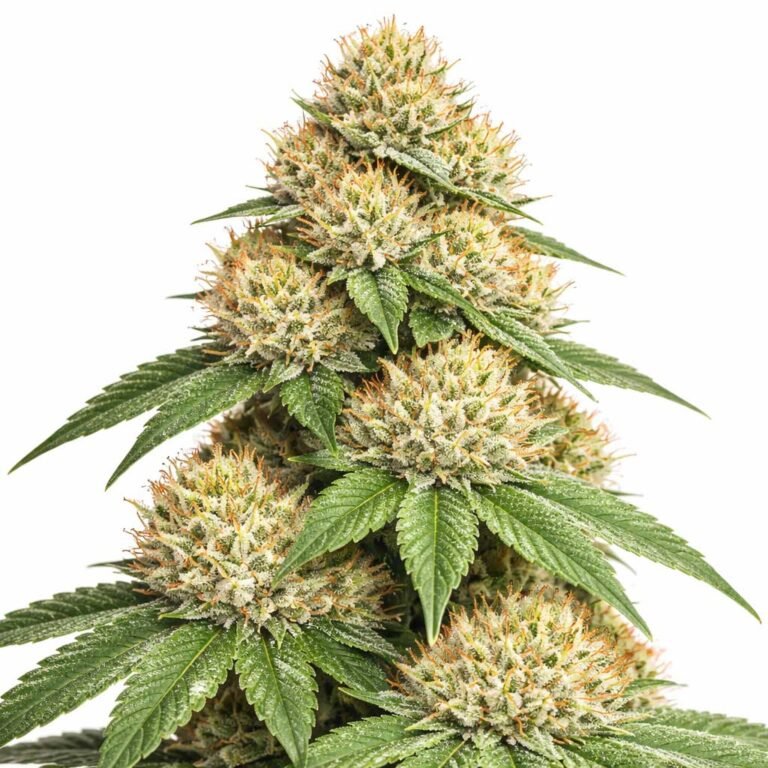
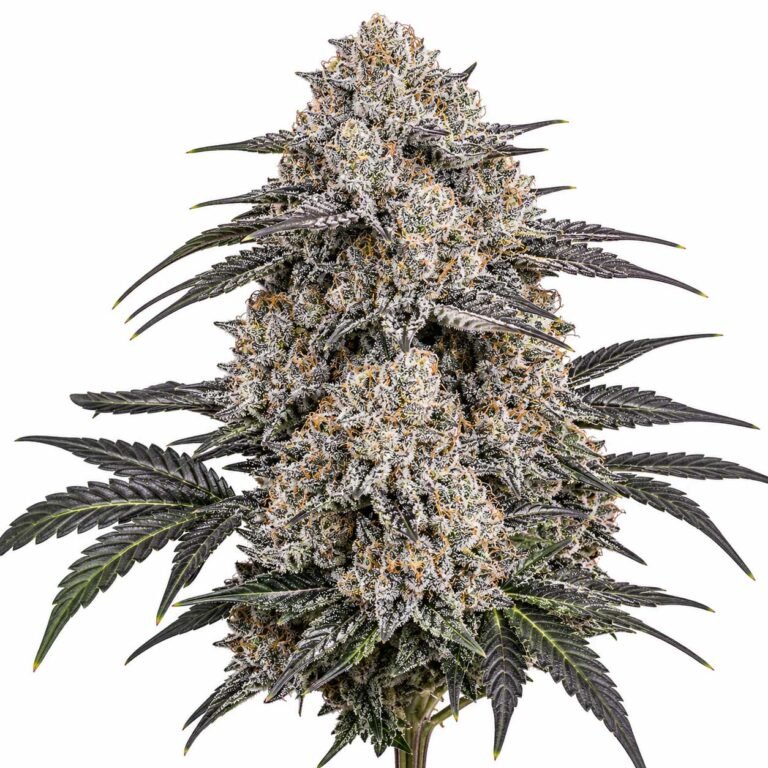
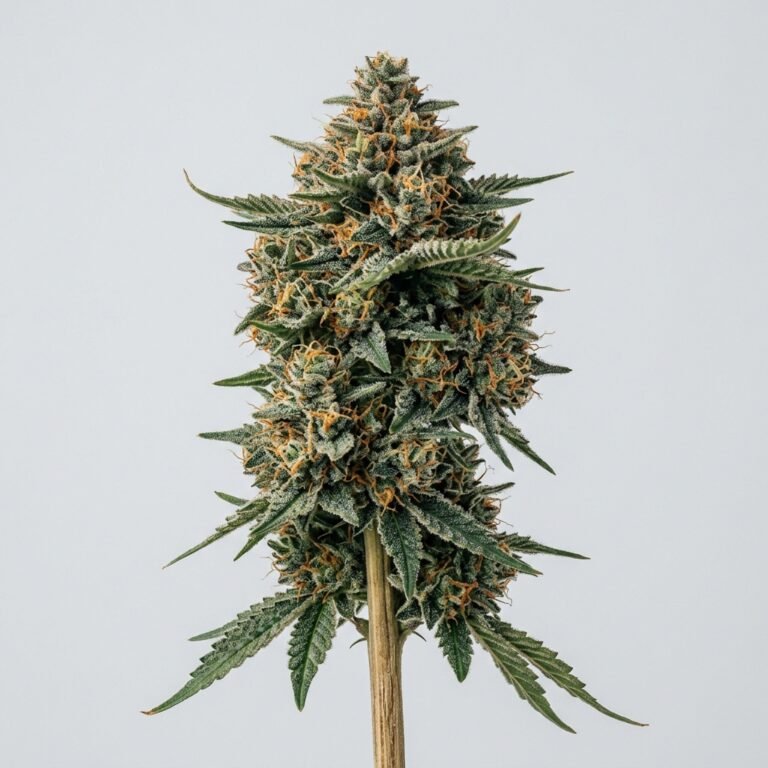
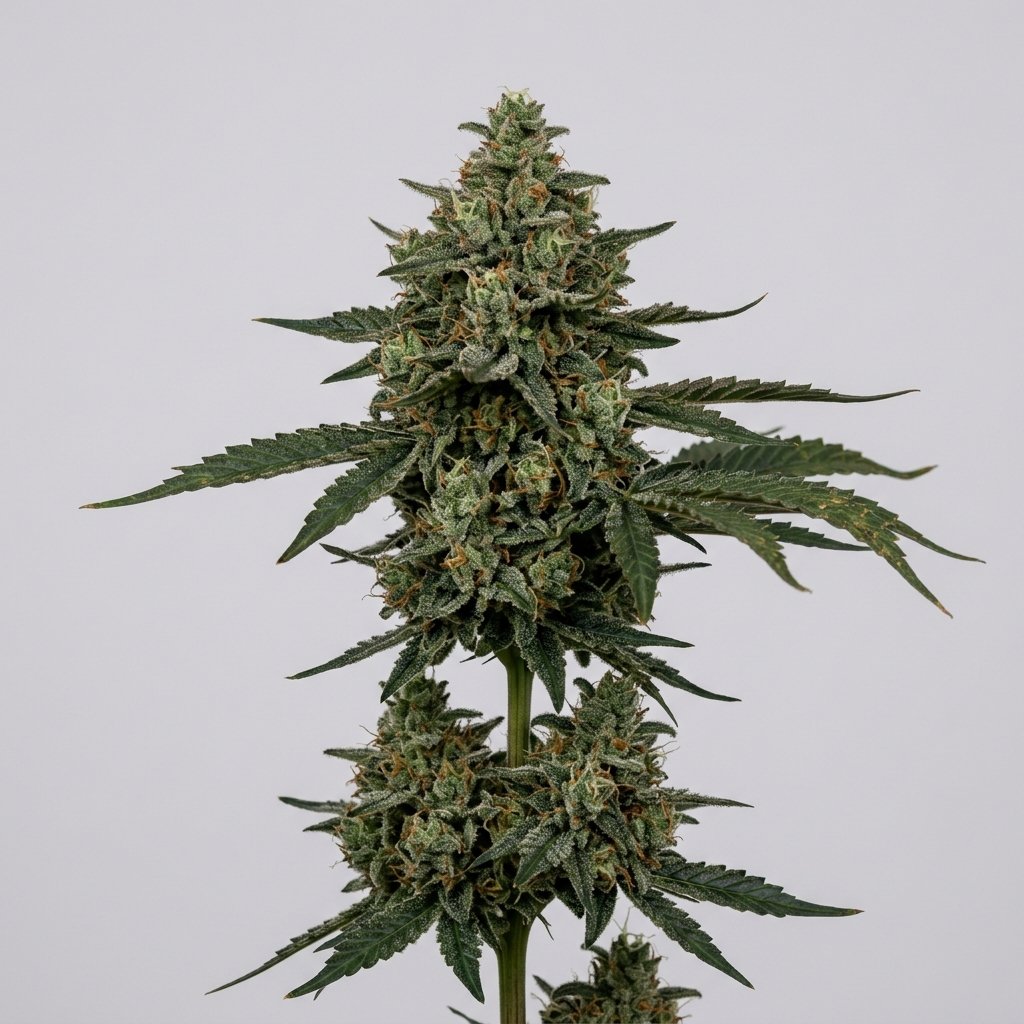
Black Widow Strain is a legendary sativa-dominant hybrid renowned for its immense resin production, soaring potency, and deep lineage tracing back to a South Indian Indica and a Brazilian Sativa landrace. It delivers a complex aromatic profile of pungent pine, earthy skunk, and sharp chemical fuel, producing dense, spear-shaped colas covered in a thick layer of glassy, wet-looking trichomes.
While it shows a sativa-like cerebral kick, the plant grows with the sturdy, compact structure of an indica, making it highly favored by traditional growers. This classic cultivar is celebrated for its intense, long-lasting effects and exceptional breeding utility, remaining a cornerstone of modern cannabis genetics.
Quick Facts
| Field | Details |
|---|---|
| Genetics | South Indian Indica × Brazilian Sativa |
| Variety | Sativa-dominant Hybrid |
| THC Range | 19% – 28% |
| Flowering Time | 8 – 10 Weeks |
| Yield Potential | Moderate to High |
| Plant Height | Medium to Tall |
| Climate Preference | Warm, temperate, low humidity late-flower |
| Difficulty | Moderate |
Scientific & Botanical Overview
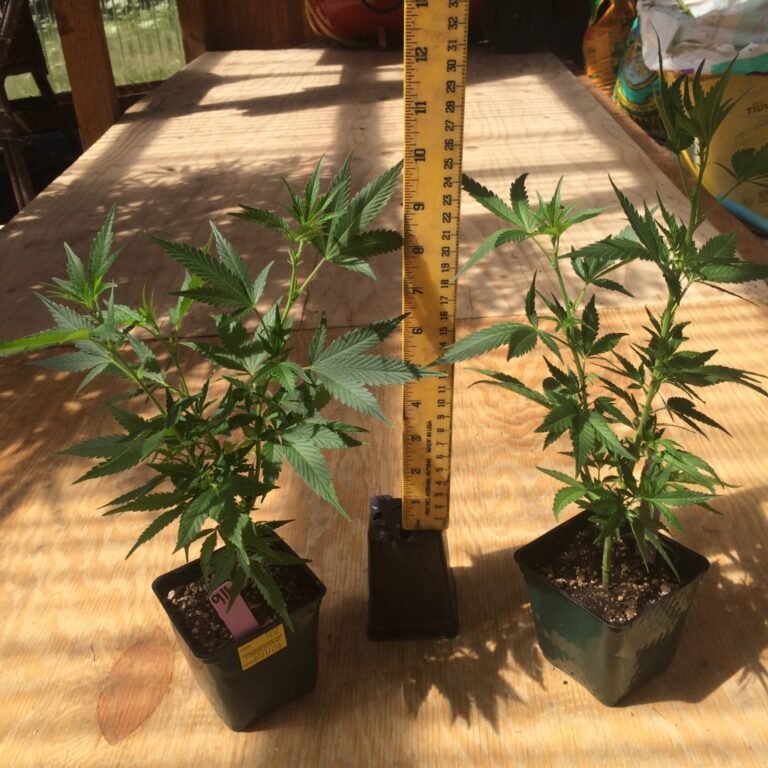
Botanically, Black Widow strain shows a unique morphological blend, combining a compact, bushy vegetative structure with a significant, controlled stretch once triggered into flower. The plant develops broad, dark green fan leaves that frame tight internodal spaces, allowing for excellent light penetration when properly defoliated. This structural density requires deliberate canopy management to optimize airflow through the lower branches.
Its reproductive anatomy is characterized by dense, tightly packed bracts and swollen calyxes that quickly become coated in a greasy resin layer. Unlike modern, hyper-hybridized dessert strains, this cultivar maintains a rugged, resilient cellular wall structure, providing natural resistance against common pests and mild fluctuations in temperature. The resin glands are particularly robust, featuring large capitate-stalked heads that hold their structural integrity well during handling.
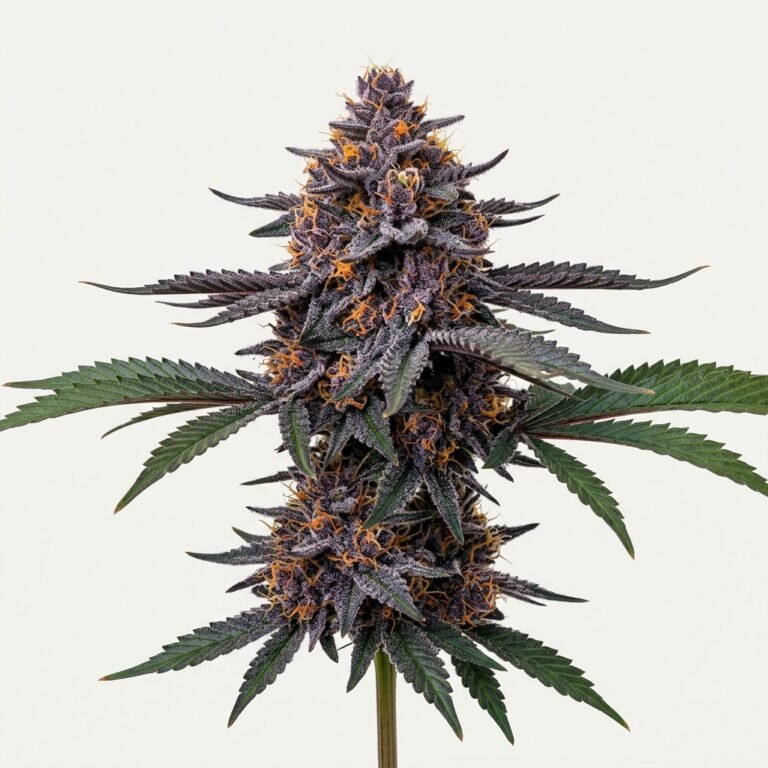
As senescent changes begin in late flower, the foliage often transitions to deep forest green and occasionally displays dark, near-black hues under cooler night conditions. This pigmentation change is accompanied by a dramatic increase in trichome density, where resin-rich glands crowd the floral surfaces. The calyx-to-leaf ratio is highly favorable, simplifying the post-harvest trimming process.
Effects & Use-Cases (Reported)
Commonly reported effects: Consumers frequently describe an immediate, soaring cerebral lift that sharpens focus before settling into a deep, physically relaxing body stone. The initial rush is intensely stimulating, while the secondary phase provides a heavy, grounding sensation that can lead to couch-lock in higher doses.
Use-case context: This dual-action profile makes the cultivar well-suited for late afternoon or evening sessions, aiding in creative transitions or physical wind-downs. It is highly valued by experienced consumers seeking a potent, old-school buzz that does not fade quickly.
Note: The high potency of this strain may induce mild anxiety or sensory overload in novice users; careful titration is strongly recommended.
Aroma & Flavors
Aroma: The olfactory profile is dominated by a sharp, pungent blend of fresh pine needles, damp earth, and a distinct, musky skunk undertone. A subtle, metallic chemical note often emerges when the dried flowers are broken apart.
Flavor: On the palate, it delivers a robust, savory smoke characterized by spicy hash notes, sweet cedarwood, and a lingering, tart gas finish. The vapor is thick and expansive, reflecting its high oil and resin content.
Terpene associations: Lab analyses frequently identify myrcene as the primary terpene, closely supported by caryophyllene and pinene, which drive its woody, herbal, and spicy aromatic foundation.
Tested Cannabinoid & Terpene Ranges
| Compound | Tested Range |
|---|---|
| Δ9-THC | 19.0% – 28.0% |
| CBG | 0.5% – 1.5% |
| Myrcene | 0.4% – 1.2% |
| Caryophyllene | 0.3% – 0.8% |
| Pinene | 0.2% – 0.6% |
Note: Cannabinoid and terpene levels are highly variable and depend heavily on environmental conditions, cultivation methods, and specific phenotype selections.
Cultivation Notes
- Humidity management: Maintain vegetative humidity around 60%, dropping to 45% or lower during the final three weeks of flowering to prevent moisture retention in the dense colas.
- Nutrient requirements: This cultivar prefers a moderate, steady feeding regimen; avoid over-saturating with nitrogen during mid-to-late vegetative growth.
- Canopy training: Responds exceptionally well to topping and low-stress training (LST) to create an even canopy of productive spear colas.
- Environmental control: Keep nighttime temperatures slightly cooler in late bloom to encourage natural resin production and dark leaf pigmentation.
- Airflow prioritization: Ensure robust internal air circulation with oscillating fans to protect the tightly packed flower clusters from mold.
Grower Notes (Week-by-Week Snapshot)
- Weeks 1–3 (Transition & Stretch): Plants show a vigorous stretch of up to 150% after switching to a 12/12 light cycle. Early node development is rapid; light pruning of lower fan leaves helps redirect energy upward.
- Weeks 4–6 (Mid-Flower Resin Onset): Bud sites begin to cluster into distinct spear shapes, and the first wave of greasy resin glands appears on the sugar leaves. Aroma transitions from a fresh green scent to a sharp, piney skunk.
- Weeks 7–9+ (Late-Flower Ripening): Calyxes swell significantly, and the white pistils turn a deep amber-orange. Monitor trichomes closely; harvest when the resin heads transition from glassy clear to mostly cloudy with a touch of amber.
- Post-Harvest (Slow Dry & Cure): Hang the entire plant to dry at 60°F (15°C) and 60% relative humidity for 10 to 14 days, followed by a minimum four-week glass jar cure to unlock the complex, fuel-forward terpene profile.
Genetic Lineage
The genetic foundation of Black Widow is rooted in a legendary pairing of a pure landrace South Indian Indica from the mountainous regions of Kerala and a select Brazilian Sativa landrace. This classic cross was originally stabilized in the mid-1990s, capturing the cup-winning traits that defined the golden era of Dutch coffee shop culture.
When the original breeders split, Shantibaba retained the authentic parent stock, releasing it under the Mr. Nice Seeds label as Black Widow to preserve the untamed, resin-rich lineage. It remains highly distinct from modern, highly sweet hybrids, offering a direct link to the resilient, landrace-derived genetics of the past.
Research Insights
Scientific interest in Black Widow often centers on its high concentration of monoterpenes like myrcene and pinene in combination with robust sesquiterpenes like caryophyllene. This specific chemical array is thought to modulate the rapid uptake of THC, shaping the distinct, multi-phase psychoactive experience reported by consumers.
Additionally, its robust genetic stability makes it a primary subject for breeders seeking to introduce pest resistance and high trichome density into new hybrid lines. The cultivar’s ability to maintain high resin output under diverse environmental conditions highlights the evolutionary resilience of its landrace parentage.
Frequently Asked Questions
What is the difference between White Widow and Black Widow?
Black Widow strain is the original, unaltered genetic line of White Widow bred by Shantibaba. The name was changed to distinguish it from other commercial versions after the original breeder departed the original seed bank.
How long does Black Widow take to flower?
This cultivar typically finishes flowering in 8 to 10 weeks, depending on the specific phenotype and environmental conditions.
Is Black Widow difficult to grow?
It is moderately easy to cultivate, offering natural resistance to pests and mold, though its dense colas require careful humidity control during late flower.
What does Black Widow smell like?
It features a pungent, old-school aroma of fresh pine, damp earth, and sharp skunk, with a distinct chemical or metallic gas finish when broken apart.
Educational Disclaimer
This article is for educational and informational purposes only. Cultivation and consumption of cannabis are subject to varying local laws and regulations. Always consult with a professional grower or medical expert before embarking on new horticultural or consumption practices.