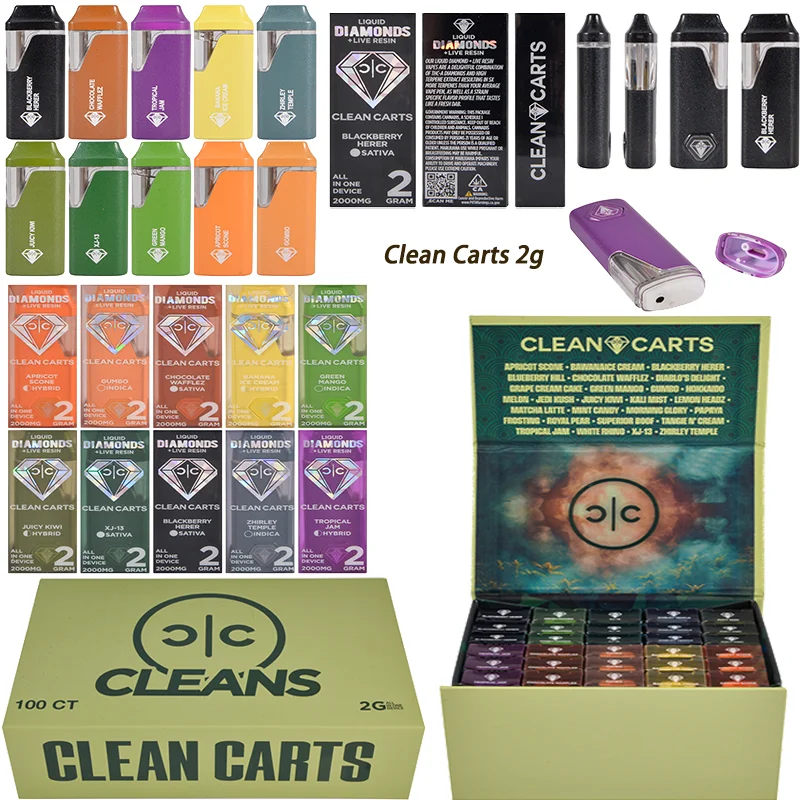
Clean Carts THC
Clean Carts THC: What You Should Know
Clean Carts THC is commonly used in online searches about Clean Carts-branded cannabis vape cartridges and disposable devices. People researching this term may want to understand what THC means, what type of cannabis extract is described on product packaging, how potency is measured, and what information a laboratory report should contain.
Clean Carts website describes its main disposable product as a cannabis-oil device containing liquid diamonds and live resin. It also states that products have batch-specific QR codes linked to laboratory reports. These are manufacturer statements, however, and should be checked against the documentation for the exact product and batch being discussed.
Understanding THC products requires more than reading a brand name or a percentage printed on a package. Ingredients, cannabinoid composition, laboratory results, local regulations, and product labeling all matter.
What Are Clean Carts THC Products?
Clean Carts is a name associated with cannabis vape products, including cartridges and all-in-one disposable devices. The term Clean Carts THC generally refers to searches about the brand and the THC-containing cannabis extracts associated with its product listings.
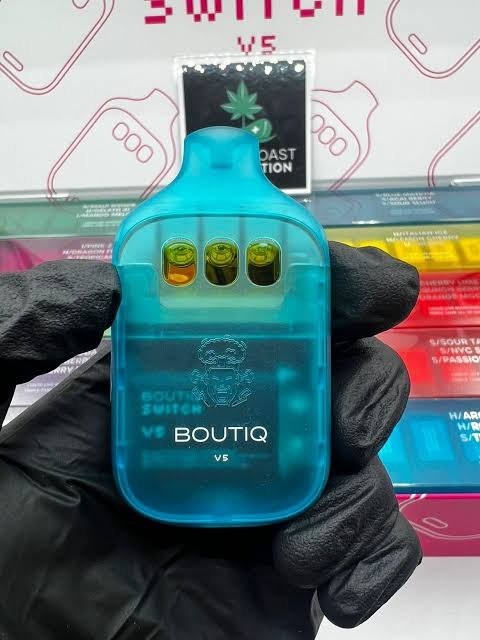
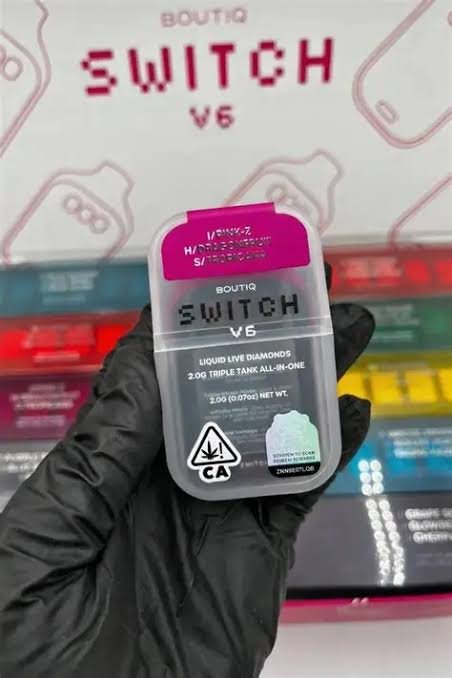
The brand’s website describes a 2-gram disposable device containing a blend of liquid diamonds and live resin. It also identifies cannabis-derived terpenes as part of its stated formulation.
It is important to distinguish between three things:
- Brand identity: The name and branding printed on a product.
- Product formulation: The actual cannabinoids, extracts, and other ingredients in the device.
- Independent verification: Laboratory documentation that identifies and tests a particular sample or batch.
A package carrying a recognizable name does not, by itself, establish the contents, manufacturing origin, or authenticity of the product.
What Does THC Mean?
THC stands for tetrahydrocannabinol, a group of cannabinoids that includes delta-9 THC and other related compounds. Delta-9 THC is the principal intoxicating cannabinoid commonly associated with cannabis.
THC interacts with the body’s endocannabinoid system. Its effects can vary according to the individual, the amount consumed, the product’s composition, and other factors.
A few terms are especially important when reading cannabis product information:
Delta-9 THC
Delta-9 THC is the cannabinoid most commonly meant when product descriptions refer to THC. It is associated with intoxicating effects and is subject to cannabis regulations that vary by jurisdiction.
THCA
THCA is the acidic precursor to delta-9 THC found in raw cannabis. When exposed to heat, THCA can undergo decarboxylation and convert into THC.
This distinction matters because a laboratory report may list THCA and delta-9 THC separately. A total THC figure may be calculated using both values, so readers should check the laboratory’s calculation method rather than assuming that every THC percentage represents the same measurement.
CBD
Cannabidiol, or CBD, is another well-known cannabis cannabinoid. Unlike delta-9 THC, CBD is not generally associated with the same intoxicating effects. A laboratory report may list CBD alongside THC and other cannabinoids.
What Are Liquid Diamonds and Live Resin?
Clean Carts website describes its disposable products using the terms liquid diamonds and live resin. These are cannabis-extract terms, not guarantees of product quality or safety.
Liquid Diamonds
Liquid diamonds is a term used in cannabis-product descriptions for an extract formulation involving THCA crystalline material and a terpene-rich liquid component.
The term can be used differently by different producers. Therefore, a product description alone cannot establish the precise formulation or cannabinoid concentration.
Live Resin
Live resin is a cannabis extract made using fresh-frozen plant material. The extraction approach is intended to preserve more of the plant’s volatile aromatic compounds, including terpenes.
Live resin is often discussed in relation to aroma and terpene composition. However, the name does not independently confirm the extract’s purity, cannabinoid content, or safety.
Cannabis-Derived Terpenes
Terpenes are aromatic compounds found in many plants, including cannabis. They contribute to characteristic scents and flavors.
A product label may describe its terpenes as cannabis-derived. That description should be supported by ingredient documentation if the exact source is important to the reader.
Understanding THC Potency and Laboratory Results
THC potency is one of the most frequently discussed subjects in cannabis product searches. However, a high percentage is not a complete description of a product.
A Certificate of Analysis (COA) is a laboratory document that reports results for a tested sample. Depending on the laboratory and product type, it may include:
- Delta-9 THC concentration.
- THCA concentration.
- Total THC calculation.
- CBD and other cannabinoids.
- Pesticide screening.
- Residual solvent results.
- Heavy-metal screening.
- Microbial testing.
A COA should identify the sample, laboratory, testing dates, and relevant methods. It should also be associated with the actual batch being evaluated.
For example, publicly available laboratory documents attributed to Encore Labs include Clean Carts sample reports identifying particular strains and listing distillate as the sample type. These reports demonstrate why individual sample documentation matters: a result for one named sample should not automatically be applied to every product carrying the same brand name.
Why Batch-Specific Testing Matters
A laboratory result is meaningful only when it can be connected to the product or batch it represents.
When evaluating a COA, readers should look for:
- Laboratory identity: The testing organization should be clearly named.
- Sample identification: The document should identify the tested sample or batch.
- Testing dates: The collection and completion dates should be visible.
- Cannabinoid results: Individual cannabinoid values should be reported clearly.
- Contaminant screening: Relevant pesticide, solvent, heavy-metal, and microbial results should be included where applicable.
- Consistency: The product name and batch information should match the document.
A QR code alone does not prove that a product is authentic or safe. The destination page, document details, and relationship between the report and the physical product all need to be considered.
Clean Carts’ website states that its QR codes connect users to batch-specific COAs. This is a claim made by the brand, so readers should examine the actual report rather than relying only on promotional statements.
Clean Carts THC Packaging and Product Identification
Cannabis vape packaging may include several types of information, such as:
- Brand and product name.
- Cannabis strain or product designation.
- Net extract weight.
- Cannabinoid information.
- Ingredient statement.
- Manufacturer or license details, where required.
- Batch or lot number.
- Testing laboratory information.
- Regulatory warnings.
- QR code or other verification details.
Packaging can help identify what a product claims to contain, but it cannot replace independent testing or regulatory documentation.
The stated weight of a device should also not be confused with THC potency. For example, a package marked 2 grams describes a stated quantity of material, not a guaranteed THC percentage or a measure of how strong the product is.
Are Clean Carts THC Products Safe?
No cannabis vape product should be assumed safe simply because it uses terms such as clean, premium, tested, or natural.
Potential concerns with cannabis vape products include inaccurate labeling, contamination, undisclosed ingredients, device-material issues, and exposure to substances produced during heating.
Inhaling cannabis aerosols can also carry health risks. THC may impair memory, attention, coordination, and judgment. Effects can vary, and people may experience unwanted reactions.
For general risk awareness:
- Do not assume that a high THC percentage means better quality.
- Do not treat marketing language as proof of laboratory testing.
- Do not rely on an unrelated or mismatched COA.
- Avoid products with missing ingredient or manufacturer information.
- Follow applicable public-health guidance and local cannabis regulations.
- Keep cannabis products away from children and pets.
People who are pregnant, breastfeeding, or have concerns about cannabis-related effects should seek advice from an appropriately qualified healthcare professional.
Clean Carts THC and Cannabis Laws
Cannabis laws differ significantly between countries, states, and territories. Regulations may cover possession, manufacture, distribution, advertising, age restrictions, and the sale of THC-containing products.
A product’s appearance online does not establish that it is legally available in a particular location. Likewise, a website’s shipping statement is not proof that a product can legally be imported or possessed.
Before relying on information about a THC product, readers should consult the relevant government or regulatory authority for their location. International travel with cannabis products can raise additional legal issues, even when cannabis is permitted in the departure location.
How to Research Clean Carts THC Responsibly
Online listings can contain inconsistent claims about product contents, strain names, THC percentages, and testing. A responsible research process should separate verifiable information from advertising.
Start by identifying the exact product name and stated manufacturer. Review the packaging information and look for a batch number. If a COA is available, check whether the sample name and batch details match.
Next, review the cannabinoid profile and testing categories. A document that reports potency alone does not necessarily establish that pesticides, heavy metals, residual solvents, or microbial contaminants were tested.
Finally, check whether the product and its manufacturer comply with the regulations in the relevant jurisdiction.
This approach provides a more reliable understanding than relying on product descriptions, online reviews, or THC percentages alone.
Frequently Asked Questions About Clean Carts THC
1. What does Clean Carts THC mean?
Clean Carts THC is a search term associated with Clean Carts-branded cannabis vape products and their reported THC content. The exact formulation and cannabinoid profile should be verified using product-specific documentation.
2. What is THC in cannabis vape products?
THC, or tetrahydrocannabinol, is a group of cannabis cannabinoids. Delta-9 THC is the principal intoxicating cannabinoid commonly associated with cannabis products.
3. What are liquid diamonds in Clean Carts descriptions?
Liquid diamonds is a cannabis-extract term generally associated with THCA crystalline material and a terpene-rich liquid component. The precise formulation can vary between producers.
4. What is live resin?
Live resin is a cannabis extract made using fresh-frozen plant material. It is commonly described as preserving more of the plant’s aromatic terpene compounds.
5. Does 2 grams mean 2 grams of THC?
No. A 2-gram label generally refers to the stated weight of the product’s contents. It does not mean that the device contains 2 grams of pure THC.
6. How can THC potency be verified?
A batch-specific Certificate of Analysis can report cannabinoid concentrations, including delta-9 THC and THCA. The sample identity and batch details should match the product being evaluated.
7. Does a QR code guarantee authenticity?
No. A QR code is only a link to information. Its destination, the laboratory report, and the matching batch details must be checked independently.
8. Are all Clean Carts products made with the same ingredients?
That should not be assumed. Formulations can differ between product types and batches. The ingredient statement and relevant documentation are the appropriate sources to examine.
9. Is a higher THC percentage proof of better quality?
No. Potency is only one measurement. Product composition, contaminant testing, manufacturing controls, labeling accuracy, and regulatory compliance are also important.
10. Are THC vape products legal everywhere?
No. Cannabis laws vary by jurisdiction. Readers should consult local government regulations before making assumptions about possession, use, distribution, or travel.