
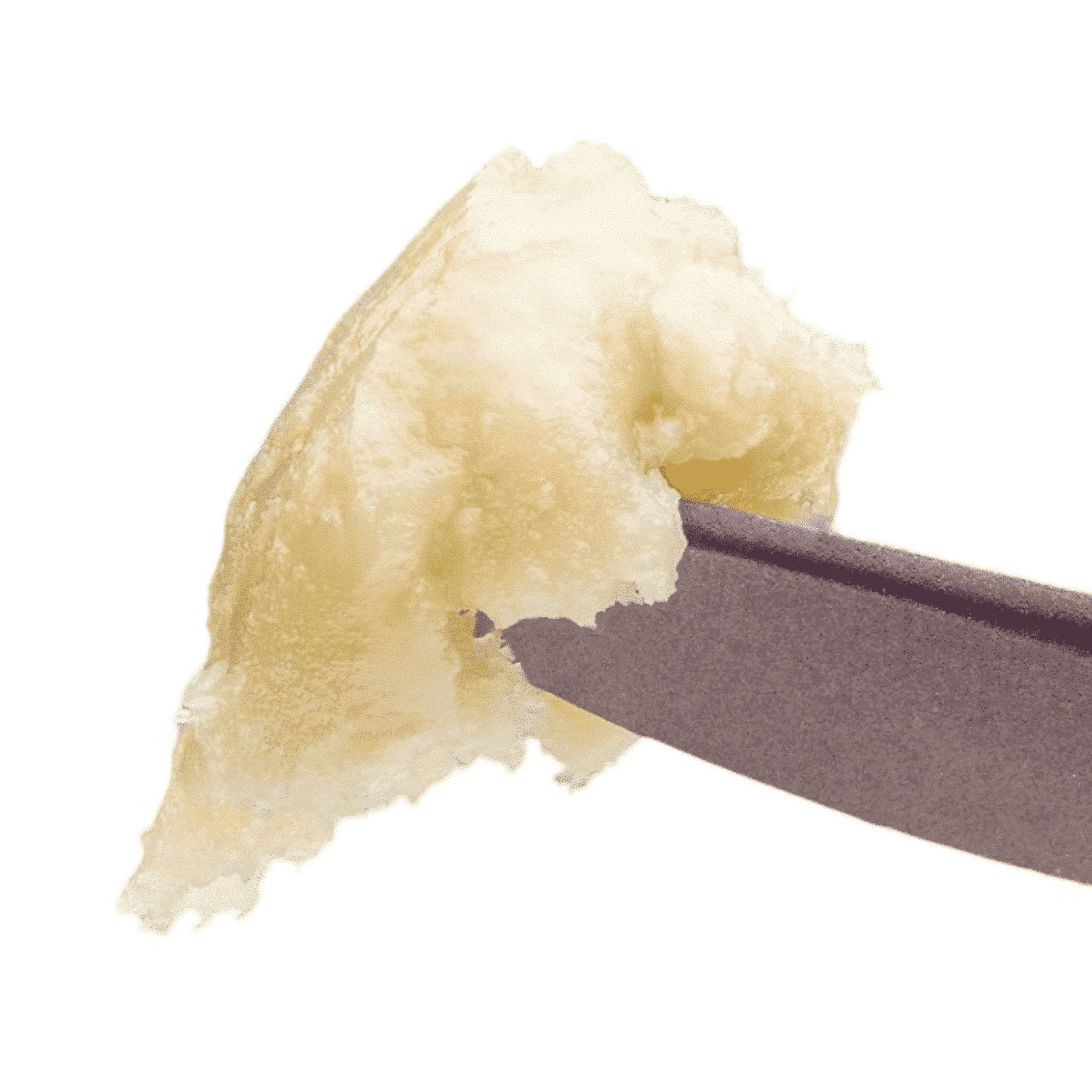
GMO THCa Live Hash Rosin
$30.00
GMO THCa Live Rosin is made from 40-120 micron bubble hash extracted without the use of solvents. Only ice water and frozen plants are used during the extraction process. This is truly the highest level of quality extract on the market!
Pay with BITCOIN & Get one free Product.
- Satisfaction Guaranteed
- %100 Refund On Products
- Authentic Products
THCA Rosin : Meaning, Extraction Process, Cannabinoids and Lab Testing
THCA rosin is a cannabis vaporizer product containing an extract described as THCA-rich rosin. The name combines three important terms: THCA, rosin, and vape. Understanding each term helps explain the product’s composition, extraction method, and how heat changes its cannabinoids.
THCA stands for tetrahydrocannabinolic acid. It is a naturally occurring cannabinoid found in cannabis. Rosin refers to a concentrate produced through a mechanical extraction process using heat and pressure rather than conventional hydrocarbon extraction solvents. A vape is a device designed to heat material and produce an aerosol.
Although these products are sometimes described as solventless or full-spectrum, those labels do not independently establish purity, authenticity, or safety. Product-specific ingredient information and laboratory documentation are important when evaluating claims.
What Does THCA Mean?
THCA is the acidic precursor to delta-9 tetrahydrocannabinol (THC). It occurs naturally in cannabis and has a different chemical structure from delta-9 THC.
The main distinction is how the two cannabinoids respond to heat.
When THCA is heated, it can undergo a chemical process called decarboxylation. This removes a carboxyl group and converts THCA into delta-9 THC.
This distinction is important when interpreting cannabis laboratory reports. A product may show a high THCA percentage while listing a much smaller amount of delta-9 THC before heating.
A laboratory may also calculate potential total THC using a formula that accounts for the conversion of THCA. One commonly used calculation is:
Potential Total THC = Delta-9 THC + (THCA × 0.877)
The 0.877 factor accounts for the molecular-weight difference during decarboxylation. It is a laboratory calculation, not a prediction of the amount absorbed by an individual.
What Is Rosin?
Rosin is a cannabis concentrate produced through mechanical separation using heat and pressure. Unlike extracts made through processes involving butane or other hydrocarbon solvents, traditional rosin extraction does not rely on those solvents to separate the resin.
Rosin can be produced from different starting materials, including cannabis flower and hash.
The word rosin describes the extraction approach. It does not automatically identify the cannabinoid concentration, terpene profile, or complete ingredient list of the finished product.
What Is Live Rosin?
Live rosin generally refers to rosin produced from resin collected from fresh-frozen cannabis material.
A typical production description involves separating resin glands using ice water, collecting and drying the resulting hash, and pressing that material with heat and pressure.
The word live refers to the starting plant material. It does not mean that the finished concentrate contains living plant tissue.
The distinction between live resin and live rosin is also important:
| Term | General meaning |
|---|---|
| Live rosin | Solventless extract made from fresh-frozen starting material |
| Live resin | Extract made from fresh-frozen material using a solvent-based extraction process |
| Rosin | Mechanically extracted concentrate made using heat and pressure |
| Distillate | Highly refined extract produced through additional processing |
These terms describe different extraction or refinement approaches. They should not be treated as interchangeable.
How Is THCA Rosin Different From Other Cannabis Extracts?
THCA rosin, live resin, and distillate may all appear in cannabis product descriptions, but they refer to different types of extracts.
THCA Rosin
THCA rosin is described as a rosin extract with THCA as a prominent cannabinoid. Its defining extraction characteristic is the use of mechanical processing rather than conventional hydrocarbon extraction.
The actual cannabinoid profile depends on the starting material and production process.
Live Resin
Live resin is commonly produced from fresh-frozen cannabis using a solvent-based extraction method. It is often discussed in connection with terpene preservation.
The presence of the word live does not mean the product is solventless.
Distillate
Distillate is a refined cannabis extract that undergoes additional processing to concentrate particular cannabinoids.
Some formulations contain added terpenes or other ingredients. A product’s ingredient statement is needed to understand its composition.
What Is Inside a THCA Rosin Vape?
The contents of a finished product depend on its formulation and manufacturer. A label may identify the extract as THCA rosin, live rosin, or a blended formulation.
Relevant information may include:
- THCA and delta-9 THC concentrations.
- Other cannabinoids, such as CBD, CBG, or CBC.
- Naturally occurring or added terpenes.
- Additional ingredients, if any.
- The stated extract weight.
- Batch identification and manufacturer details.
A product described as pure rosin should not be assumed to contain only rosin without checking its ingredient documentation.
Likewise, terms such as natural, clean, premium, and full-spectrum are not substitutes for a complete ingredient list or independent testing.
Understanding THCA Rosin Vape Laboratory Reports
A Certificate of Analysis (COA) is a document reporting laboratory findings for a submitted sample. It can help readers understand the measured cannabinoid profile and identify which additional tests were performed.
A COA may contain:
Cannabinoid analysis: Reports the measured amounts of THCA, delta-9 THC, CBD, and other cannabinoids.
Pesticide screening: Reports whether specified pesticide compounds were detected within the laboratory’s testing limits.
Heavy-metal testing: May report results for metals such as lead, arsenic, cadmium, and mercury.
Residual-solvent analysis: Relevant when evaluating products that may involve solvent-based processing or formulations.
Microbial testing: May assess specified microorganisms or microbial contaminants.
Not every COA includes every test category. A potency-only report should not be interpreted as proof that a product passed all possible contaminant screenings.
For example, a publicly available laboratory report for a product identified as Zazaya THCA Live Rosin Vape lists THCA, CBDA, and total cannabinoid results. It demonstrates the type of cannabinoid information a report can contain, but its findings apply only to the submitted sample—not to every product described as THCA rosin.
What Does Solventless Mean?
Solventless describes an extraction method that does not use conventional extraction solvents such as butane or ethanol to separate the concentrate.
Traditional rosin production uses mechanical methods, particularly heat and pressure. Live rosin production may also involve ice-water separation before pressing.
However, solventless does not mean risk-free.
The term does not establish that a finished vape has been tested for pesticides, heavy metals, microbial contamination, or hardware-related contaminants. It also does not establish that the product is suitable for inhalation.
The finished formulation and its testing documentation must be considered separately from the extraction method.
THCA Rosin Vape Devices and Product Components
A cannabis vape product may use a cartridge that connects to a separate battery or an integrated disposable device.
Common components can include:
- Mouthpiece: The part through which the aerosol exits.
- Reservoir: Holds the formulated extract.
- Heating element: Generates heat within the device.
- Airflow pathway: Allows air to move through the device.
- Battery: Supplies electrical power in rechargeable or integrated devices.
Device construction and materials can vary. Product descriptions alone do not establish the quality of the heating element or whether the finished device has been independently evaluated for material-related risks.
Potential Health and Safety Considerations
THCA-rich cannabis extracts should not be assumed harmless because they are described as solventless or naturally derived.
Heating THCA can convert it into intoxicating THC. THC can affect attention, coordination, memory, judgment, and perception. Responses vary between individuals.
Inhaling cannabis aerosols can also expose the respiratory system to substances that may cause harm. Product contamination, inaccurate labeling, and undisclosed ingredients create additional concerns.
People should be particularly cautious about unverified products and products without clear ingredient or manufacturer information. Cannabis products should be kept securely away from children and pets.
Anyone with health concerns about cannabis or inhaled products should consult a qualified healthcare professional.
Is THCA Rosin the Same as THC Rosin?
No. THCA and THC are chemically related but distinct cannabinoids.
THCA is the acidic precursor. THC is the neutral cannabinoid associated with intoxicating effects.
When THCA is exposed to sufficient heat, decarboxylation can convert it into THC. This is why a product that is predominantly THCA before heating may produce THC when heated.
A laboratory report should be read carefully to distinguish measured THCA, measured delta-9 THC, and calculated potential total THC.
Is THCA Rosin Vape Legal?
The legal status of THCA products varies by jurisdiction. Some regulations distinguish between hemp-derived and marijuana-derived products, while others consider total potential THC, product formulation, licensing, or other factors.
A low delta-9 THC result alone does not establish that a product is legal everywhere. The applicable rules may also address THCA, total THC, possession, importation, distribution, and age restrictions.
Consumers and researchers should consult the relevant government or regulatory authority rather than relying on a retailer’s shipping statement or a product’s marketing description.
Frequently Asked Questions About THCA Rosin Vape
1. What is a THCA rosin vape?
It is a cannabis vaporizer product described as containing THCA-rich rosin, a concentrate produced using mechanical extraction methods involving heat and pressure.
2. Does THCA turn into THC when heated?
Yes. THCA can undergo decarboxylation when heated, converting into delta-9 THC.
3. Is THCA rosin solventless?
Traditional rosin extraction is solventless. However, the finished product’s formulation and testing should be checked separately.
4. What is the difference between live rosin and live resin?
Live rosin is produced through solventless processing, while live resin is generally produced using a solvent-based extraction process. Both can use fresh-frozen cannabis material.
5. Does THCA rosin contain terpenes?
It may contain naturally occurring terpenes, depending on the starting material and processing. The actual terpene profile should be established through product documentation or laboratory testing.
6. Does a THCA rosin vape contain THC?
A product may contain some delta-9 THC before heating. Additionally, heating THCA can convert it into THC.
7. What does a THCA percentage on a COA mean?
It represents the measured concentration of THCA in the tested sample. It is different from the measured delta-9 THC percentage.
8. Does solventless mean safe?
No. Solventless describes an extraction method, not a guarantee that a finished product is free from contaminants or health risks.
9. What should a THCA rosin COA include?
A useful report identifies the sample and batch, laboratory, testing dates, cannabinoid results, and relevant contaminant-screening results.
10. Is THCA rosin legal in every state?
No. Laws vary by state and country. Regulations may address THCA, total potential THC, product origin, and licensing.
Related products
-
-
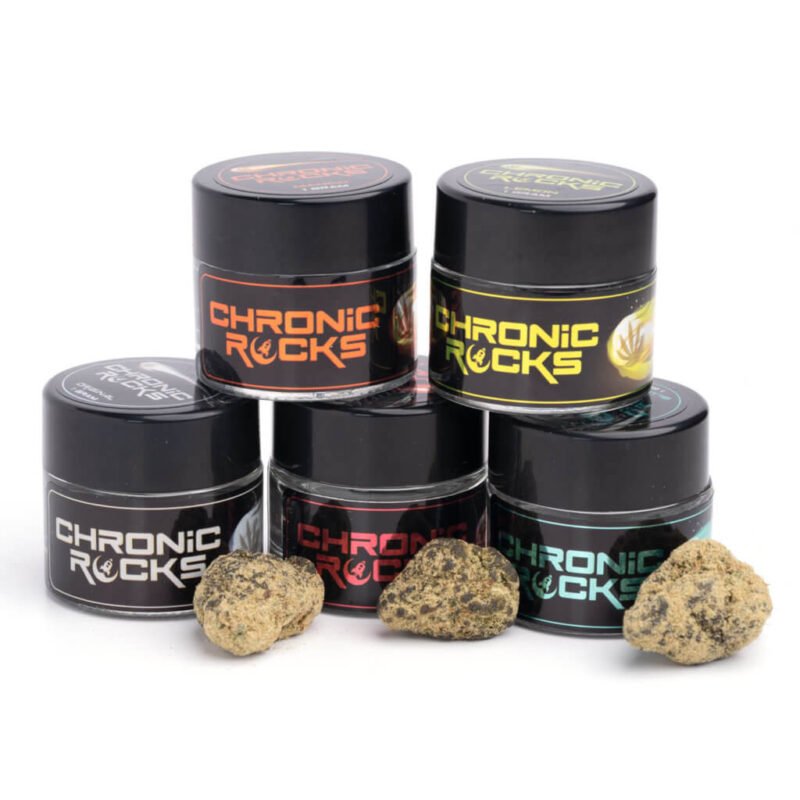
Chronic Rocks
$35.00Select options This product has multiple variants. The options may be chosen on the product page -
Sale!
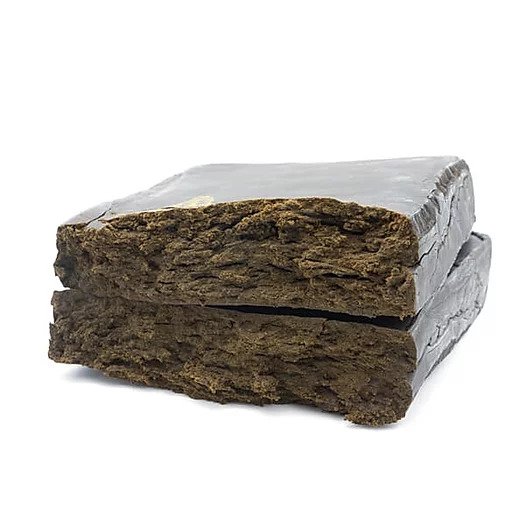
Hash – Cali Afghan Sativa
Price range: $12.00 through $65.00Select options This product has multiple variants. The options may be chosen on the product page -
Sale!
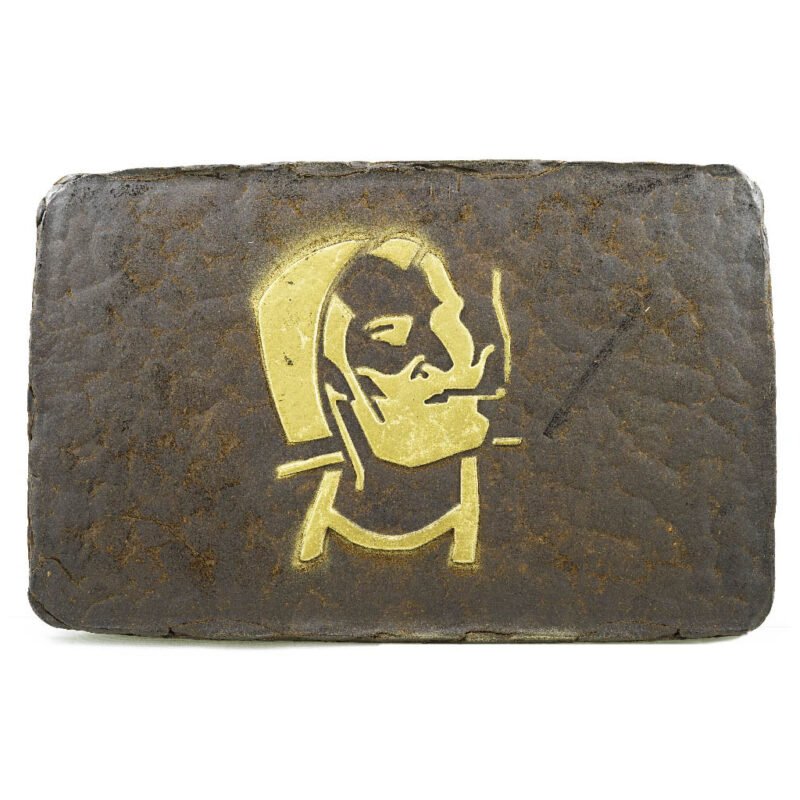
Hash – Zig Zag
Original price was: $15.00.$12.00Current price is: $12.00.Select options This product has multiple variants. The options may be chosen on the product page
Reviews
There are no reviews yet.